“picking coffee fruit” search results (3000)

The growth cycle and picking time of coffee
Coffee beans are the seeds of coffee trees. After three or four years of growth, the coffee tree matures and begins to bear fruit, with one fruit arranged in clusters or clusters along the branches.
2014-05-13 Coffee knowledge growth cycle picking
# Coffee Encyclopedia # two pictures to tell you about coffee beans from fruit to beans
Every year in October, coffee from all over the world slowly enters the ripening period, and every step of this red fruit will affect its taste from the moment it is picked. Step.1 picking in the production process of coffee beans. Generally speaking, fruits that turn red can be picked, but in some places, there is no strict quality control, even some unripe fruits.
2014-07-22 Coffee encyclopedia coffee beans coffee fruits
Washed bourbon Rwandan coffee western province Lutexiluo producing area
Coffee fruits need to be transported to the processing plant as soon as possible after picking, but due to lack of facilities in the country, it is impossible to process the fruits in the first time. The fruits accumulate together after being picked, and lack of ventilation will continue to accelerate mold and rot. The rotten fruits will affect the quality of coffee and appear defective flavor. Rwanda in recent years has had a significant increase
2016-07-01 washed bourbon rwanda coffee western province texi producing area real mining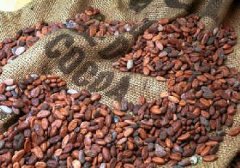
The process of planting and picking Coffee basic knowledge of Coffee
The first people to drink coffee lived in Ethiopia. A drink called Buncham was found in the Arab scientific literature of 900-1000 AD, but it is not certain that it is coffee. These documents mainly record the scientific value of this bean called Buncham. In addition to introducing the protective effects of this drink on the stomach, organs and skin, the author also mentioned that it can make
2015-02-16 Coffee planting picking process basics common sense
Fine Coffee Science explains the picking of coffee beans in detail
After 3 or 4 years of growth, the coffee tree matures and begins to bear fruit, and one fruit will be arranged in clusters or clusters along the branches. Of course, the coffee beans we see are the seeds of coffee trees. The outside of the seed is a layer of peel, which can be picked as soon as it turns red. Under the red skin (exocarp) there is a layer of pulp (mesocarp), inside is a small thin layer, and then there is a layer of parchment
2014-10-29 Coffee knowledge boutique coffee science coffee bean picking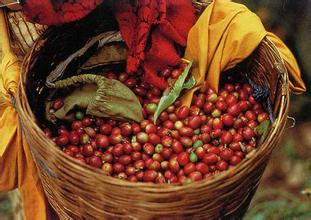
Coffee bean treatment: a brief introduction to the picking process of coffee beans and the differences between several treatment methods
Today, there are two main types of coffee grown most widely in the world: Arabica beans (Coffee Arabica) and Robaster beans (Coffee Robusta). Arabica: accounts for 3/4 of the world's output, good quality, growing in 15-20C areas, elevation requirements of more than 900m. Coffee beans are green to light green in color and oval in shape. Robaster: about four percent of the world's output.
2015-12-09 Coffee beans processing method picking process several method area other simple medium
The way to pick up beans: in the sun. Wash and bask in half the sun. Semi-washing
Today, I'd like to introduce the way to get beans from coffee: everyone knows citrus. Banana。 Apples and other fruits are rich in organic acids, immature fruits eat sour and astringent taste, ripe fruits taste sweet and delicious, because the organic acids of the fruit are converted into sugar. Coffee should also be picked after it is red and ripe, and the beans are more sweet. If the coffee farmer wants to save trouble, regardless of the coffee fruit
2015-06-06 Take beans way insolate wash
Nicaraguan coffee flavor taste lemon tree manor Nicaraguan coffee producing area
Lemon Tree Manor also processes coffee in a honey-treated way. After the coffee fruit is actually picked, the coffee with its exocarp removed is put on the African shed to dry. Compared with the traditional way of placing coffee directly on the ground to dry coffee, using African shed to dry coffee can reduce more pollution in the drying process, avoid producing more miscellaneous smell, and finally improve the quality of coffee.
2016-07-30 Nicaragua coffee flavor taste lemon tree manor producing area
Coffee Manor in Nicaragua introduces Lemon Manor Fine Coffee beans
Although Nicaragua is a country with a large territory in Central America, it is not a big producer in the coffee world, and its output and reputation are much weaker than that of its neighbor Costa Rica. But the high-quality Nicaraguan coffee is in the forefront of coffee beans in the world and enjoys a good reputation. Traditional Nicaraguan coffee farmers are used to the subsequent processing of coffee fruits by washing.
2016-07-12 Nicaragua Coffee Manor producing area introduction Lemon Tree Fine goods Coffee beans Niga
A brief introduction to Brazilian Coffee
Coffee varieties: both Arabica and Robusta are raw and manufactured, of which Arabica accounts for 70% to 80%. Among Arabica coffee varieties, there are Modo Novo, Catuai, Bourbon, Maragoripe and so on. Coffee harvest can usher in three or four harvest seasons in a year, and mechanical picking is extremely widespread. The path of picking is very different from that of other masterpieces. Mechanical picking
2015-09-08 Brazil Coffee profile Variety Rabbi Robbs Booth Yousheng
Record the process of picking coffee beans in Laos
When picking Arabica beans, use hands to twist them one grain at a time. Pick only ripe fruits in bright red, not green (immature) or dark brown (rotten). Generally speaking, coffee trees will bear beans after two or three years of growth, and Bolaven Cafe can be picked in four years. Clear Americano is served with breakfast. When picking Arabica beans, use hands to twist them one grain at a time. Choose bright red only
2014-09-01 Coffee knowledge Laos coffee coffee bean picking process
What are defective beans? how to calculate defective beans?
High-quality coffee beans are refined by water treatment. The coffee beans with less impurities can be obtained by the water washing method, but if the water quality and time are not properly controlled during the fermentation process, the coffee beans will easily be infected with the sour taste of excessive fermentation. and dry beans also need to pay attention to timely re-inspection to prevent coffee beans from being contaminated by wet ground and sundries. Processed
2016-06-03 Flaws yes what how?
Introduction to the structure diagram and growth process of coffee bean structure roaster
The harvested coffee berries need further treatment, usually in two ways. One is water washing, which is popular in Central America and parts of Africa; freshly harvested coffee berries separate the peel from the beans manually or mechanically, and then soak in water for 2 to 3 days. In this way, the pulp and sticky matter attached to the coffee beans will be removed. Then there is the Qing Dynasty.
2016-10-18 Coffee beans raw beans structure roaster structure diagram growth process introduction harvest
Introduction to the structure diagram and growth process of coffee bean structure roaster
The harvested coffee berries need further treatment, usually in two ways. One is water washing, which is popular in Central America and parts of Africa; freshly harvested coffee berries separate the peel from the beans manually or mechanically, and then soak in water for 2 to 3 days. In this way, the pulp and sticky matter attached to the coffee beans will be removed. Then there is the Qing Dynasty.
2016-10-18 Coffee beans raw beans structure roaster structure diagram growth process introduction harvest
Coffee knowledge Coffee growth cycle and picking
Coffee beans are the seeds of coffee trees. After three or four years of growth, the coffee tree matures and begins to bear fruit, with one fruit arranged in clusters or clusters along the branches. The outside of the seed is a layer of peel, which can be picked as soon as it turns red. Under the red skin (exocarp) there is a layer of pulp (mesocarp), which is a small thin layer, and then a layer of material endocarp like parchment. In
2014-09-16 Coffee knowledge coffee growth cycle coffee picking
Introduction to Los Congo Manor in Nicaragua Coffee Manor
Lemon Tree Manor also processes coffee in a honey-treated way. After the coffee fruit is actually picked, the coffee with its exocarp removed is put on the African shed to dry. Compared with the traditional way of placing coffee directly on the ground to dry coffee, using African shed to dry coffee can reduce more pollution in the drying process, avoid producing more miscellaneous smell, and finally improve the quality of coffee.
2016-08-01 Nicaragua Coffee Manor producing area Flavor Taste introduction Los Congo Lime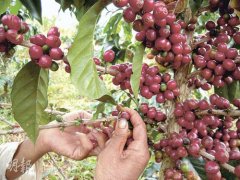
The process of picking coffee beans in Laos records how to pick coffee beans?
Bolaven Cafe comes with clear Americano for breakfast. When picking Arabica beans, use hands to twist them one grain at a time. Pick only ripe fruits in bright red, not green (immature) or dark brown (rotten). The transparent flesh tastes sweet, and coffee beans are wrapped in hard shells in the middle. Generally speaking, coffee trees will bear beans after two or three years of growth and can be picked in four years.
2015-09-14 Laos picking coffee beans process recording how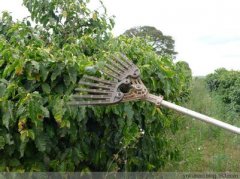
Knapsack coffee picker
Brazil is a country that is good at invention and creation. It has invented a lot of machines in coffee production, which has led to the development of mechanization of coffee production all over the world.
2014-07-09 Coffee supplies coffee pickers coffee machines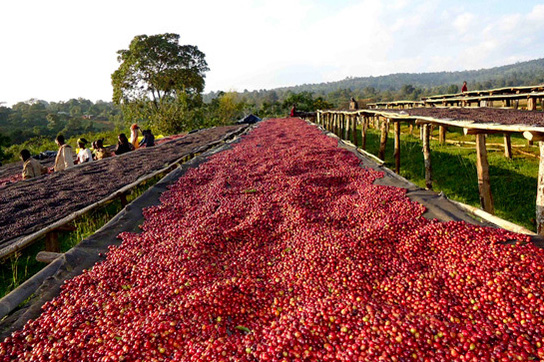
Cherish every coffee bean is hard to come by.
I still remember when I was studying, the teacher said to me: to cherish every coffee bean, that is coffee farmers picked from the coffee tree, a little bit of exquisite processing, to cherish the coffee beans as well as cherish the grain. At that time, I didn't understand why coffee beans were treated so cautiously. It wasn't until I learned a little bit about it that a small bean had to go through so much.
2015-04-09 Cherish a coffee bean hard-won remember study time teacher
Introduction of fine coffee from Rwanda coffee beans grown in bourbon by washing
The coffee fruit needs to be transported to the processing plant as soon as possible after picking, but due to the lack of domestic facilities, it is unable to deal with the fruit at the first time. The fruits are piled up after being picked, which will continue to develop and accelerate mildew and decay due to lack of ventilation. Rotten fruits will affect the quality of coffee and show defective flavor. In recent years, Rwanda has developed in the production and processing of coffee.
2016-06-22 Washing treatment bourbon planting Rwanda coffee beans introduction boutique coffee